- Spring 2027 Priority Deadline: November 3, 2026
- Spring 2027 Regular Deadline: December 1, 2026
There are over 73 million people under the age of 24 living in the United States who face multiple inherited crises with defiance and creativity. In the US, there are approximately 2.5 million youth workers and counting. This continued growth confirms the urgent need for credentialed, professional development opportunities for those who are partnering with young people to co-create a better future. The BA in Youth Studies degree program helps fill this critical need by ensuring that staff have the skills, knowledge, competencies, and commitments to ally with young people. The degree provides the concrete skill development needed to work with this age group while infusing an approach rooted in critical youth studies and a commitment to a social justice orientation.
The degree offers multiple paths towards successful completion of the program such as Credit for Prior Learning, which acknowledges a candidate's experience in the world of work. The program also offers multiple opportunities to acquire and stack credentials in the field through agencies such as the Department of Youth and Community Development, the Administration for Children's Services, and the New York State Network for Youth Success.
Mode of Learning
The Youth Studies program offers courses in an online asynchronous format, providing students with the flexibility to complete coursework on their own schedule while meeting established course deadlines.
Online synchronous sections may also be offered based on enrollment needs. When available, synchronous classes meet virtually in real time from 6:15 to 9:15 p.m. ET, allowing students to interact live with their professors and peers.
Career/Educational Prospects
| Educational | Career |
|---|---|
| BA to MA in Youth Studies fast-track: students can earn up to nine credits towards the 30 credit MA in Youth Studies degree | Run or work in programs for youth, communities, and families in the out-of-school time, community centers, credible messenger networks, juvenile justice, child welfare, arts and sports-based youth development, advocacy/activism, college access, and success and workforce development for young adults. |
| Graduates eligible to enter an MA in Social Work program | Higher levels positions at youth-serving organizations/city agencies |
| Graduates eligible to enter an MA in Education program | Higher salary ranges for positions requiring a BA |
Research Labs
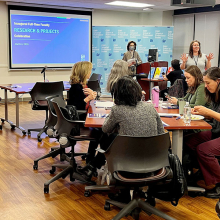
For students interested in learning how to do intergenerational critical participatory action research, we have opportunities to develop skills by becoming a co-researcher in one of our Socially Engaged Participatory Research Labs!
Articulation Agreements
Articulation agreements are formal agreements between CUNY School of Professional Studies, (CUNY SPS) and two-year colleges and universities, allowing students to transfer the maximum number of credits with ease to our BA in Youth Studies program from institutions with which we have an established transfer process in place.
Scholarship Opportunities
Tips and Tricks for Youth Studies Students
Upcoming Events for Bachelor of Arts in Youth Studies
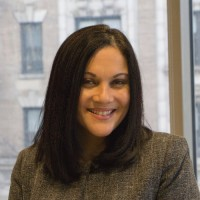
Academic Director
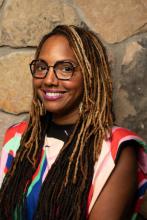
Academic Coordinator

Meet our Faculty


Admissions Criteria
Applicants must possess at least 24 transferable credits from an accredited institution with a minimum GPA of 2.5 on a 4.0 scale. For applicants with GPAs below 2.5, please see CUNY SPS’s Jump Start program as a supportive pathway to admission. Applicants need to demonstrate basic proficiency in reading, writing, and math, per CUNY standards. Students can transfer up to 60 credits from other undergraduate institutions, Credit for Prior Learning, and CLEP exams.
Application Deadlines
- Spring 2027 Priority Deadline: November 3, 2026
- Spring 2027 Regular Deadline: December 1, 2026